

- Blog
- 21. July 2026
Holdover Clocks in UK Gov. Risk Register
Content you may also like
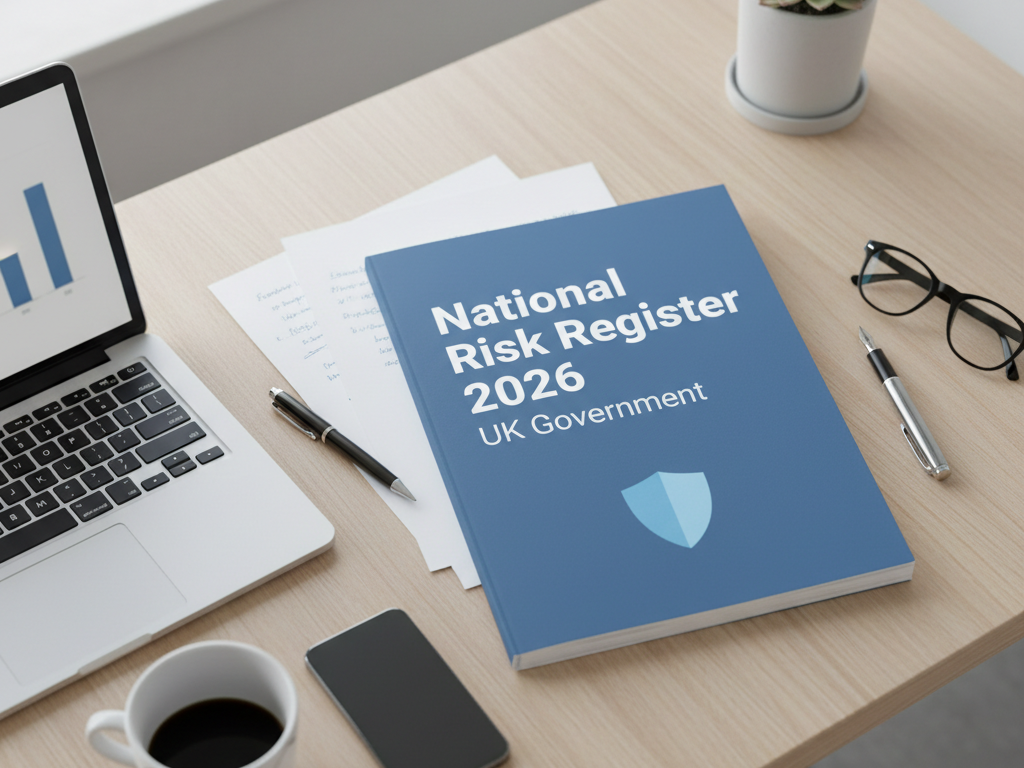
Holdover clocks are now explicitly recognised in the UK National Risk Register - and that matters.
The newly published HM Government National Risk Register 2026 marks an important moment for the timing and synchronisation community.
For those working in PNT resilience, telecoms networks, critical infrastructure and national timing, one detail stands out. Alongside the established recognition of risks around GNSS disruption, the latest edition now specifically states the need for “resilient backup systems, such as atomic clocks to holdover time” and the importance of planning transition back to GNSS once services are restored.
That may be only a small line in a very large document - but it is a significant signal.
It reflects a growing recognition that resilient timing architectures can no longer rely on satellite-based services alone. As threats to GNSS availability and integrity continue to evolve, the ability to maintain accurate time during disruption is becoming a core requirement for national infrastructure, communications networks and synchronisation-dependent systems.
For organisations operating in these environments, holdover performance is no longer a niche technical consideration. It is increasingly central to continuity, resilience and risk planning.
At IQD Frequency Products, this is precisely the space we work in. Our atomic clock technologies are designed to support high-stability timing applications where dependable holdover is essential - helping enable resilient synchronisation in the face of uncertainty.
It is encouraging to see this capability recognised more clearly at government level. Greater visibility of holdover clocks in national resilience planning supports broader understanding of the role that timing hardware plays in protecting critical systems.
For our industry, this is more than a line in a report. It is further evidence that robust timing resilience is moving up the agenda - and rightly so.